
Leading Your Education to A New Frequency
Considering EEG needs across the country continue to grow and that R. EEG T.s are in short supply, continuing education for all techs providing EEG services to patients is critical. Stratus has created two, FREE educational programs for EEG Techs to access live and on-demand after the webinar has concluded.
Registration Currently Open For:
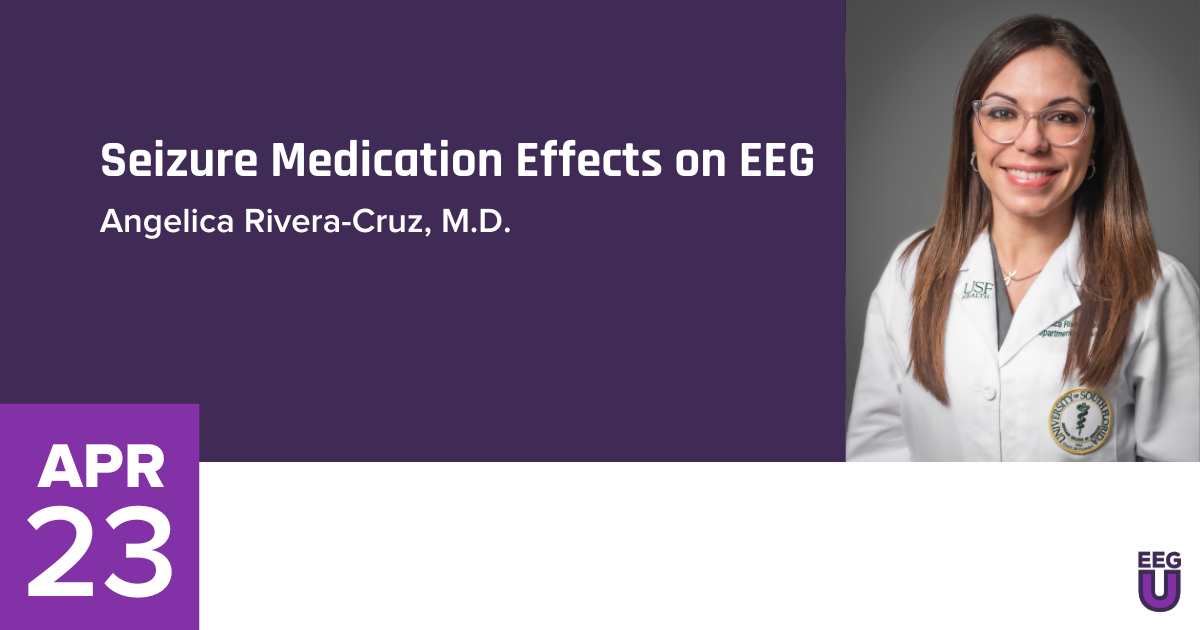
Learning Objectives:
- Review the anti-seizure medications (ASM) available
- Discuss how to choose an ASM
- Define Drug-resistant epilepsy
Upcoming CEU Courses
ELEVATE U
Level Up Your Leadership Capabilities & Knowledge
Audience: those in a leadership, supervisor, or educator role within EEG/EMU labs, NSICU, and Neurodiagnostic practices.
Currently, we are unable to provide CEUs for these webinars but are working hard to get these accredited and will update as soon as possible.
Registration Currently Open For:
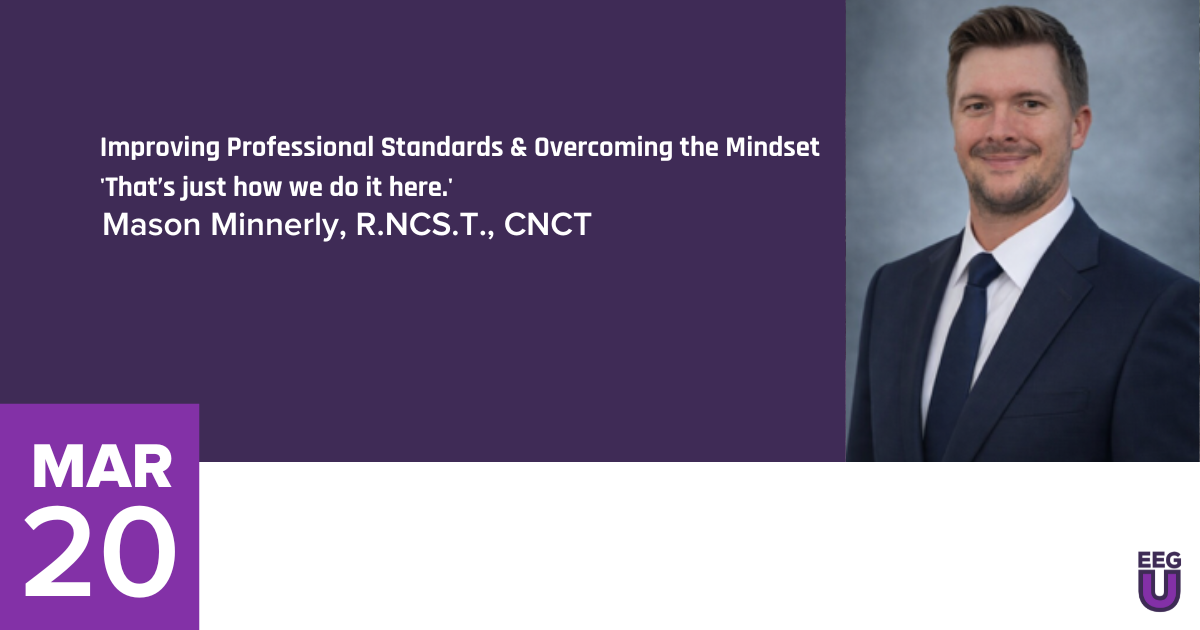
Learning Objectives:
1. Recognize when clinical practices are driven by habit or culture rather than the most up to date accepted clinical practices and guidelines and policies.
2. Demonstrate the ability to question and improve outdated practices and methods, tailoring their approach based on their target audience.
3. Model behaviors that challenge complacency and support a culture of safety and professional excellence in a clinical or hospital setting.
Video Library









.svg)
%201.svg)